Conversations with BandFromDa1st
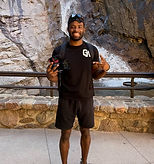
Benjamin Delgado (@bandzfromda1st) is an 18-year-old animal enthusiast, who wants to educate the younger generation on animals. He strives to help people overcome their fear of exotic animals and realise how important these animals are for the Earth and wildlife in general. Delgado has used his social media to achieve this - here is his story.


Bringing Nature to the City: BOWW at One Heart Festival 2026
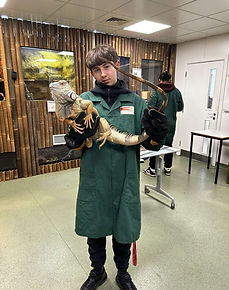
At BOWW (Biodiversity on the World’s Watch), our mission has always been simple yet powerful: educate young people in urban environments about wildlife through hands-on experiences and engaging social media content. At the recent One Heart Festival, hosted at the Westway Sports Centre, that mission came to life in the most exciting way. BOWW partnered up with youth charity Youth Action Alliance to bring a unique interactive animal experience right into the heart of the commun


Embracing Our Garden Superheroes: A Call to Action for Conservation
The Importance of Insects in Our Gardens In the wake of spring, our gardens teem with life. Many of us curse the creepy critters that crawl and buzz around. But what if we shifted our perspective? Instead of cursing their existence, we should be praising our neglected superheroes. Without these common insects and bugs, the delicate balance in our gardens would be completely off course. The Role of Bees: Nature's Essential Pollinators Take bees, for example. These fuzzy pollin


Is technology saving us or is the worst yet to come ?
Technology sits at the center of one of the biggest environmental debates of our time. On one hand, it offers powerful tools to combat climate change and protect ecosystems. On the other, it drives consumption, energy use, and waste on a global scale. The optimistic view is hard to ignore. Renewable energy technologies like solar panels and wind turbines are reducing our dependence on fossil fuels. Advances in electric vehicles, smart grids, and energy-efficient buildings are